Cut
How well a diamond's facets are proportioned and finished. It's the biggest driver of sparkle.
Diamond education
These four qualities, considered together, shape a diamond's character, brilliance, and value.
How well a diamond's facets are proportioned and finished. It's the biggest driver of sparkle.
How close a diamond comes to colorless, graded on a scale from D (icy white) to Z.
The presence of natural inclusions, from flawless to visible. Most are invisible to the naked eye.
The outline of the stone: round, oval, emerald, and more.
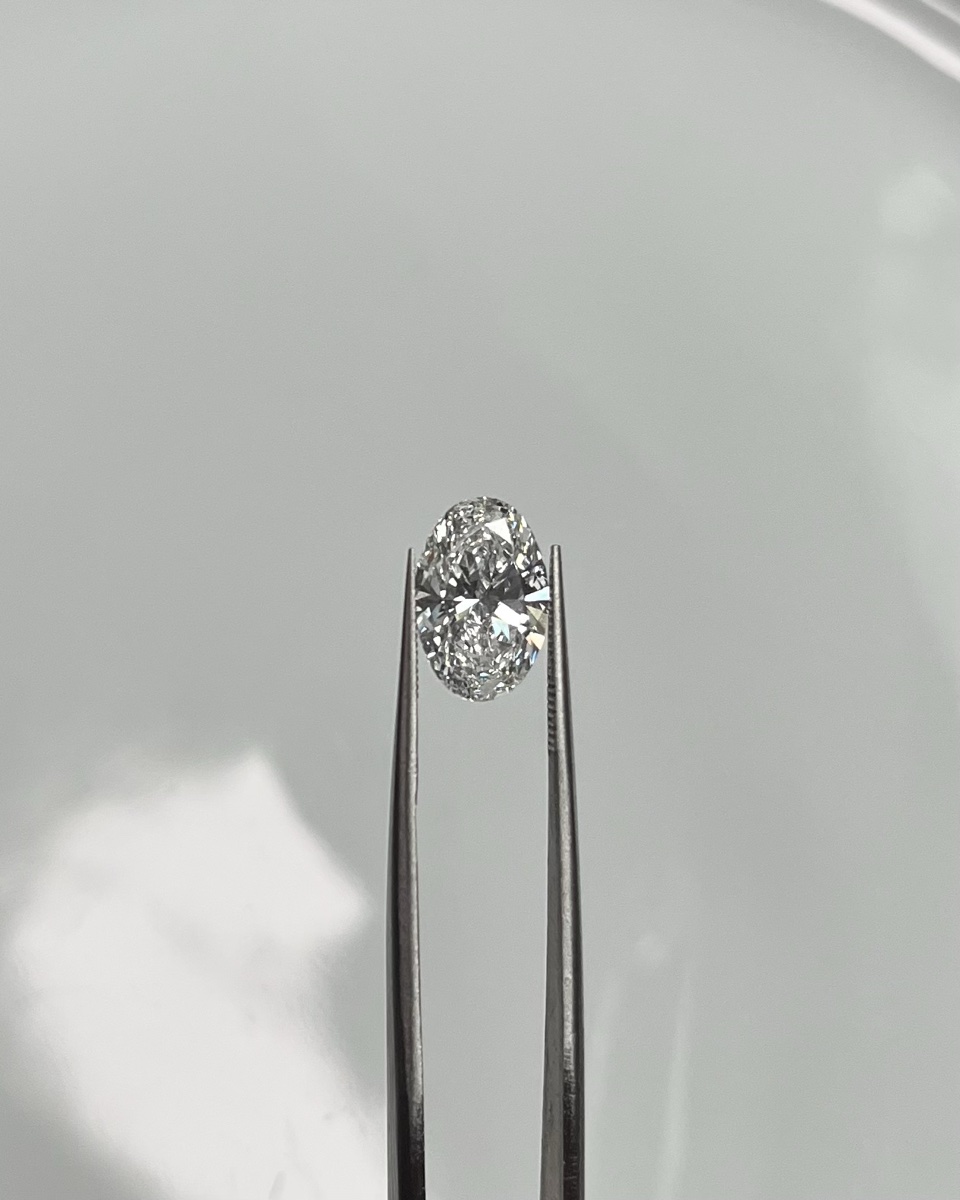
The first C
Cut is not the shape of a diamond. It's how precisely the stone has been faceted, proportioned, and polished. A well-cut diamond catches light and returns it as brilliance and fire; a poorly cut one looks dull, even if its color and clarity are excellent.
Because cut has the greatest effect on how a diamond looks, it's the quality we recommend prioritizing. Cut is typically graded from Excellent down to Poor.
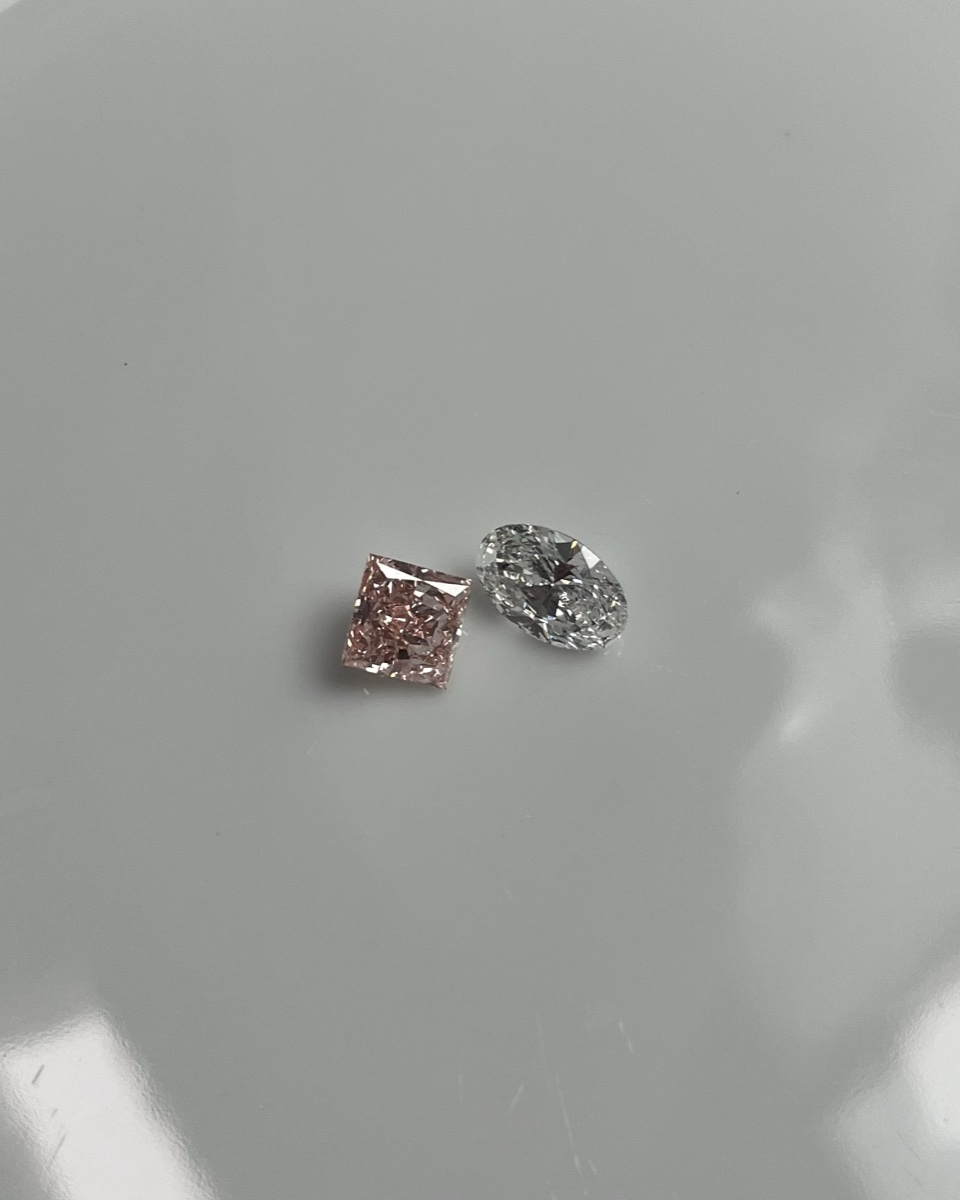
The second C
In white diamonds, "color" actually measures the absence of color. The most prized stones are completely colorless, letting light pass through unhindered. As you move down the scale, a faint warmth, usually yellow or brown, gradually appears.
The industry grades color from D to Z. The differences between neighboring grades are subtle, and many warmer stones look beautifully white once set, especially in yellow or rose gold.
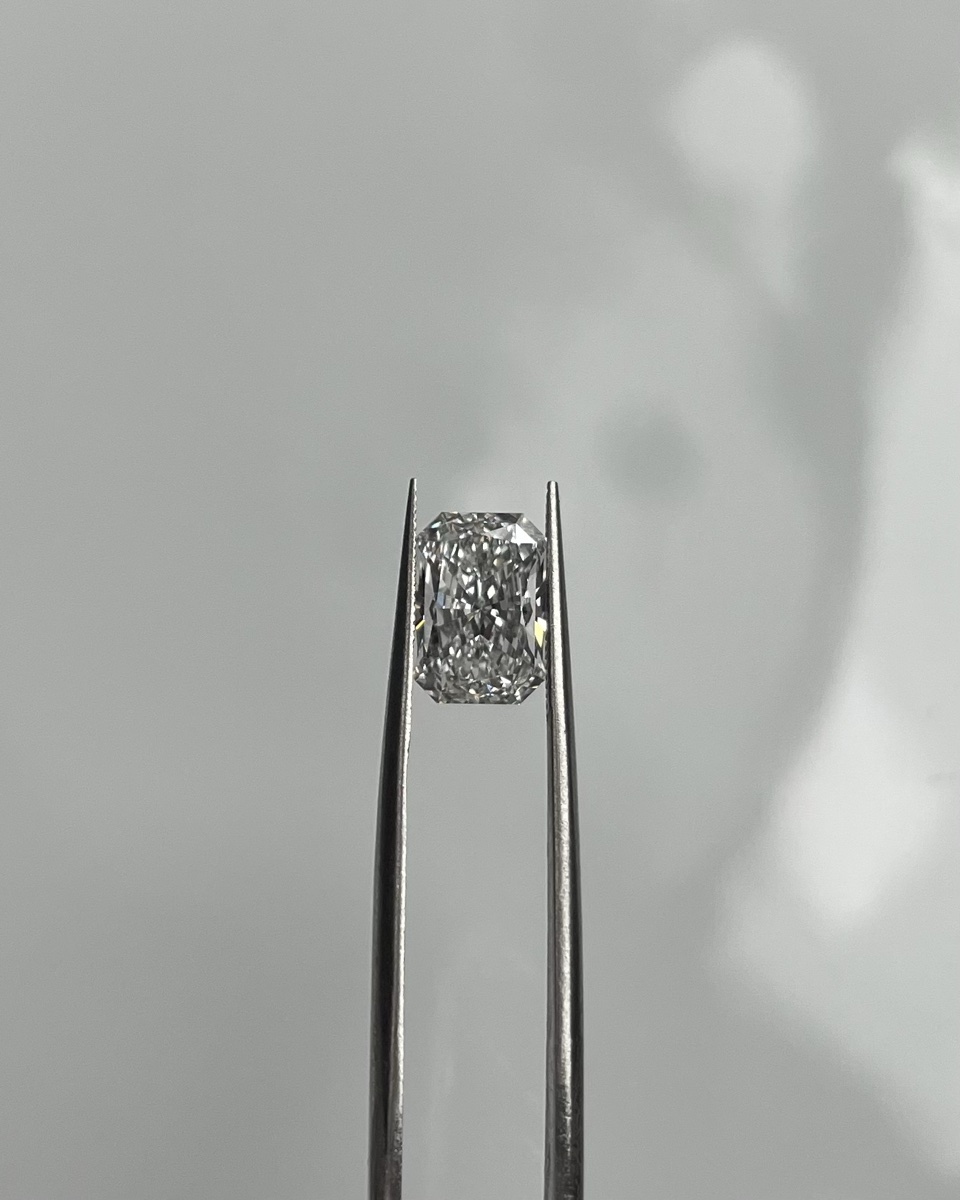
The third C
Almost every stone carries tiny natural features, known as inclusions inside and blemishes on the surface. Clarity describes how few and how noticeable these are. Most are microscopic and have no effect on how the diamond looks to the naked eye.
Clarity is graded under 10× magnification, from Flawless to Included. Many stones graded SI and above are "eye-clean," meaning no inclusions are visible without a loupe.
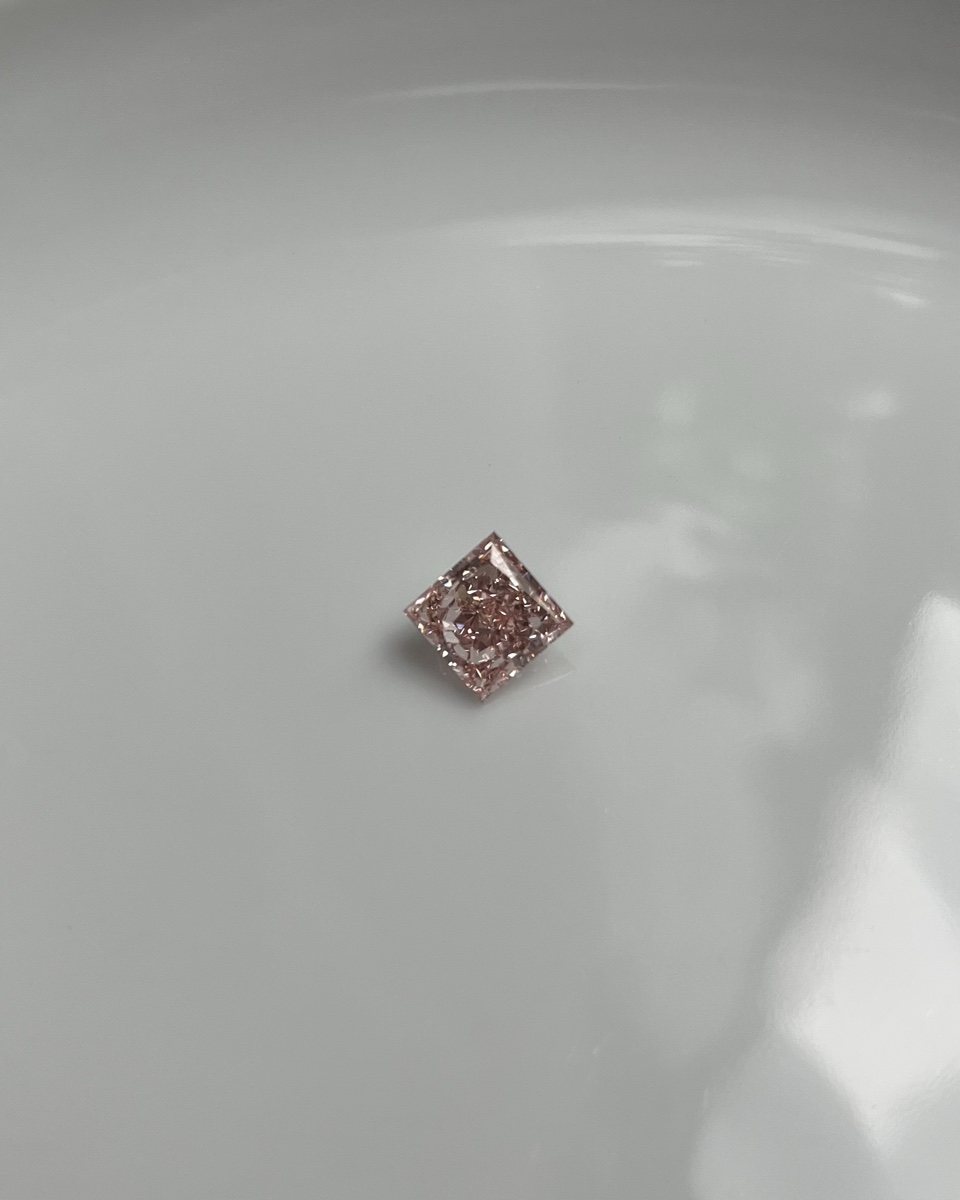
The finishing touch
Shape is the outline of the diamond when viewed from above, and it's often the most personal choice of all. Each shape carries its own character, from the timeless sparkle of a round brilliant to the clean, architectural lines of an emerald cut.
Shape comes down to personal preference. A few of the most popular: